Friday, October 18, 2013

More Pictures from Pumpkin's Galore

As all of the teachers get their pictures uploaded we are able to add more pictures to the blog.  We wish we could post some of the pictures of the kids.  Some of them came out amazing!  If you took pictures we would love to have a copy of them for our classroom.  We use them to make our own class books for our library, some of the classrooms will be making photo essay's this year, and sometimes you just get a great picture that we could print and share with another parent who wasn't able to attend.  You can send the pictures through email, send us a link to a photo file, burn the pictures onto a CD or send it in on a flash drive.  Thank you for sharing with us.  We really do use these pictures to help the children with our writing units!

Here are some more pictures of our adventure yesterday.  Don't forget to read 20 minutes a night this weekend with your child, practice those popcorn words and maybe you will find time to take a fall walk with your child.  Review the letter of the week and go through your child's Kindergarten Binder with them.

This was the big white dog INSIDE the chicken coop!

Yes, this is where the dog was playing (and resting).

Bunny

Lots of little pumpkins.

Hello baby farm animal.  What is your name?  It tickles when you eat out of my hand!

Are you one of the 3 Little Pigs?  If so, what did you build your house out of, straw, sticks or bricks?

Vines

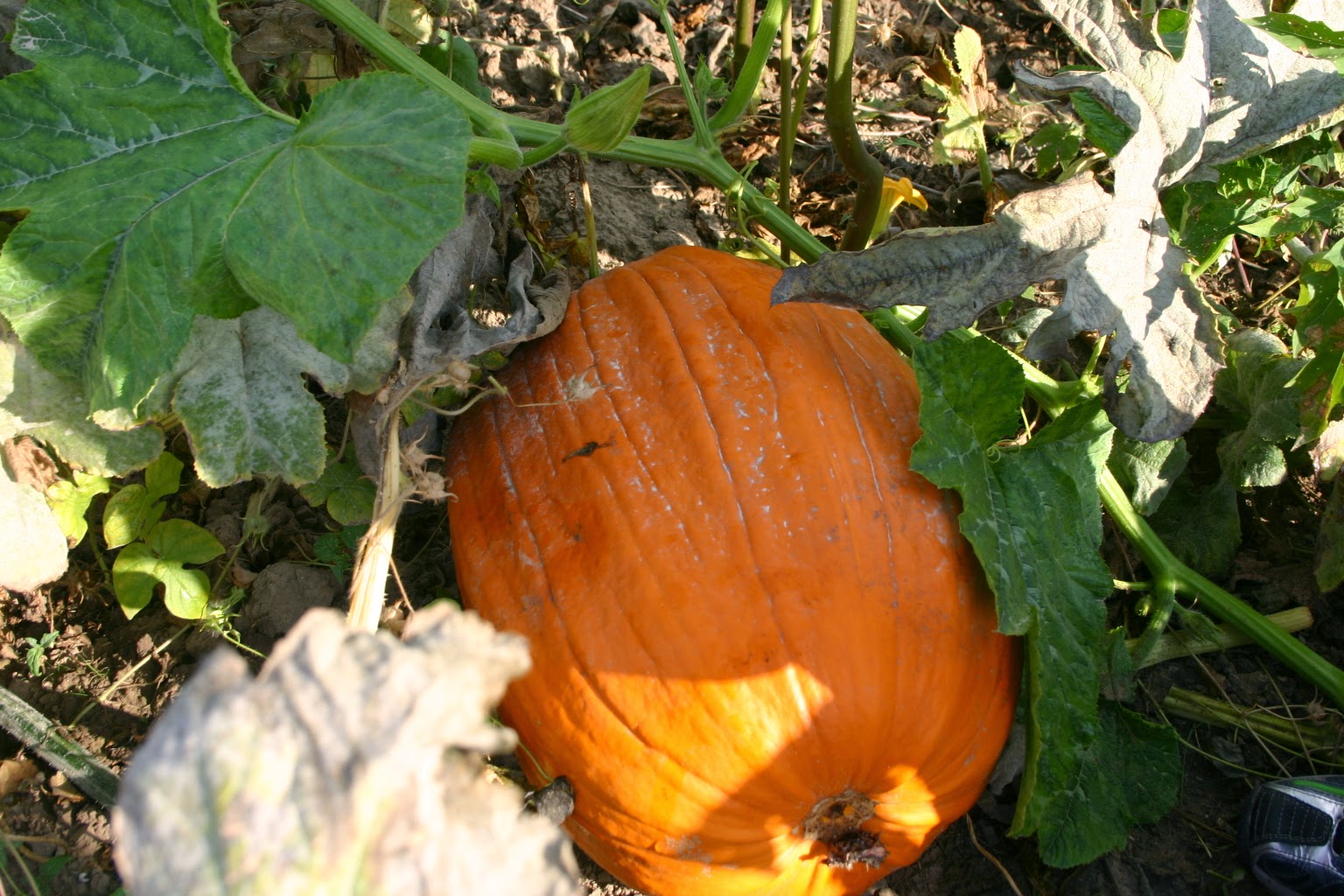
Big orange pumpkin on the vine!
 

Thursday, October 17, 2013

First round of pictures from the pumpkin patch

We have been learning about the life cycle of pumpkins in science.  It was amazing to see the students identify each sequence in the cycle and properly identify them while at the pumpkin patch today!  They were so excited to see the cycle "live" in the garden.  This make learning so meaningful and they will remember this experience forever.  It is our hope that they can transfer this knowledge to other life cycles they will learn about during their education.
 
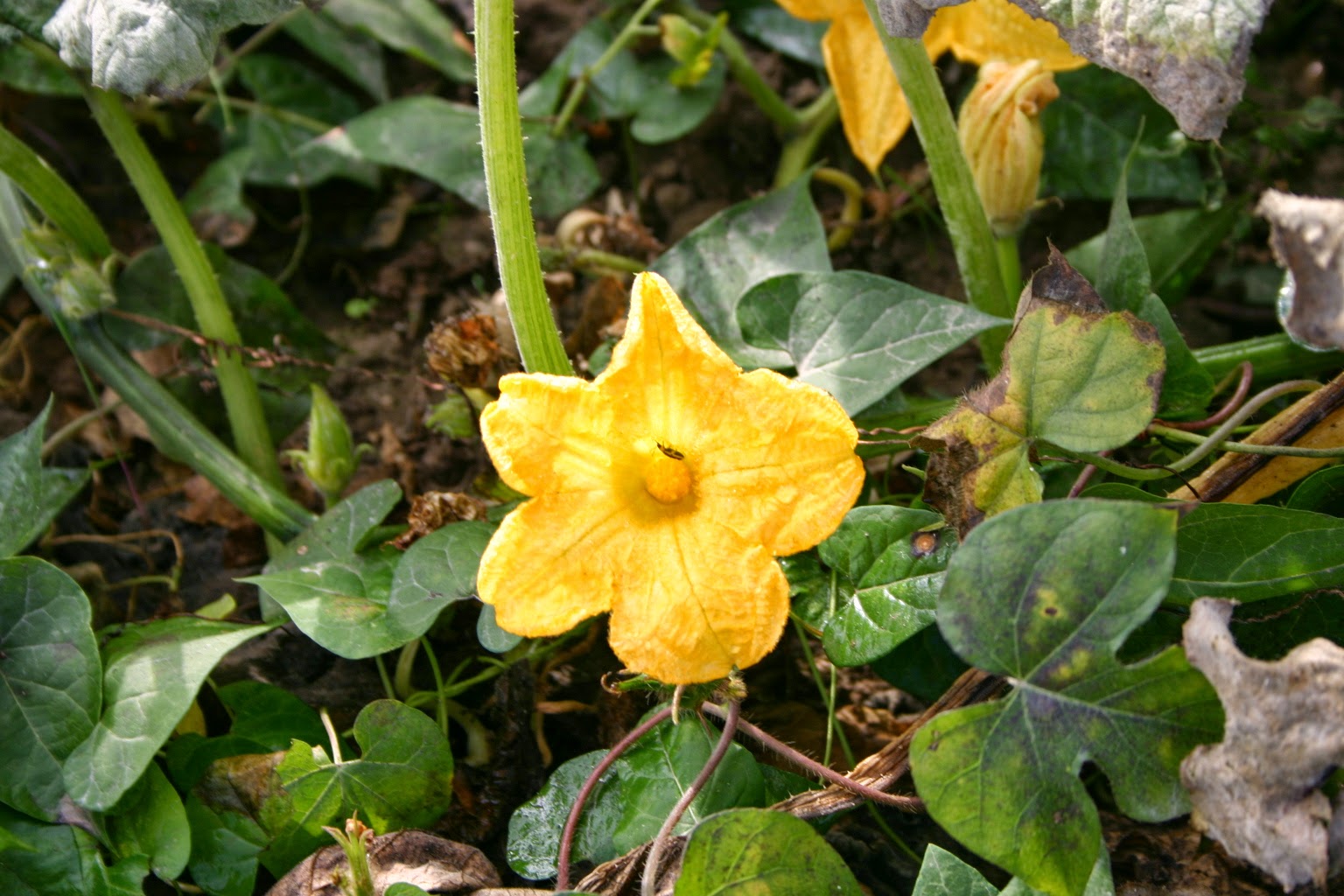
Bloom
 

Green pumpkin

Mature pumpkin

Bud

Green pumpkin on the vine

Investigating pumpkins in the garden

Leaves

Bloom

Vines

Leaves
 
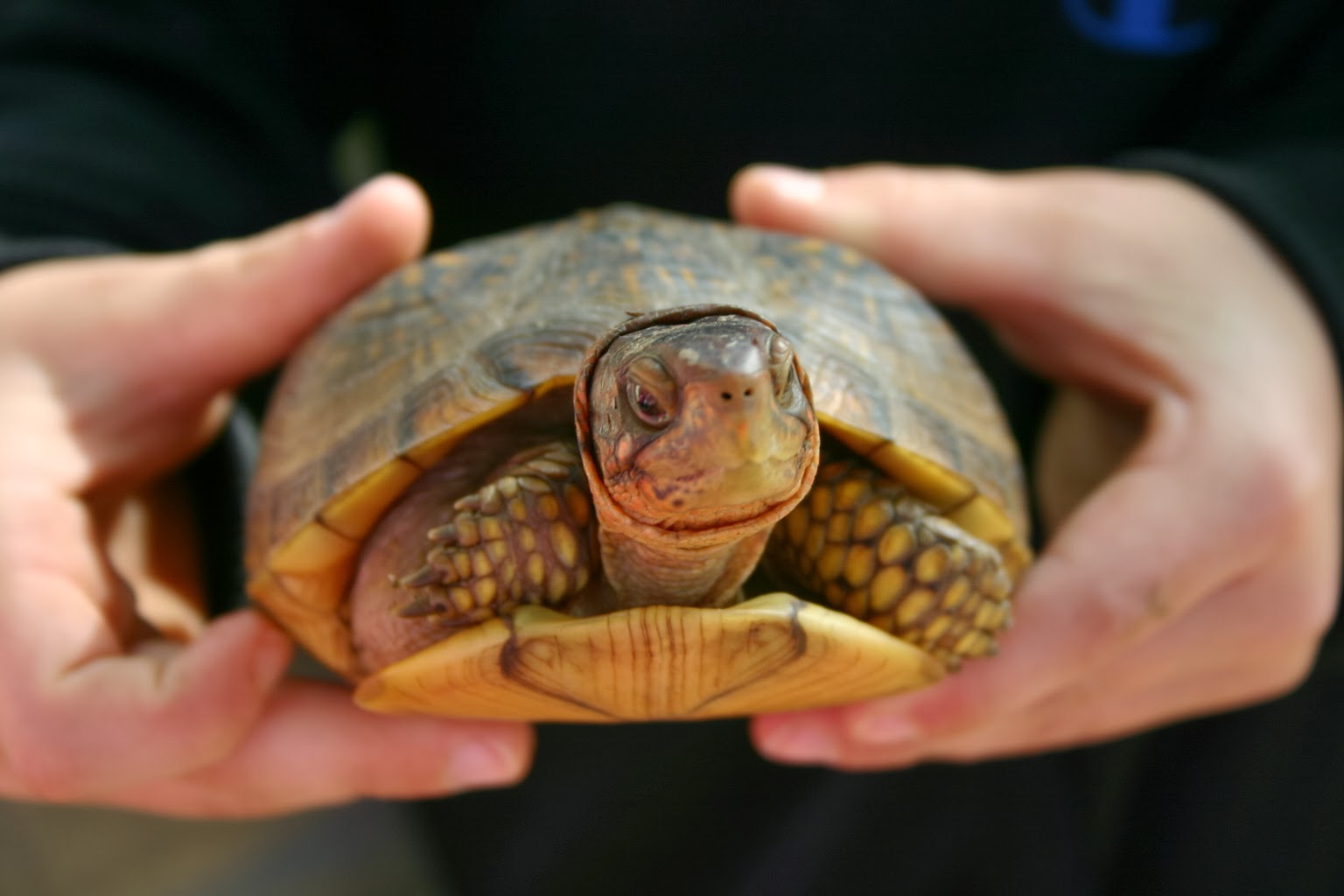
They also loved the turtles.  Some of the kids could not get enough of these little guys!  They had so much fun investigating these little creatures.  They wanted to adopt them as class pets!
 

Large mature orange pumpkin

Beans

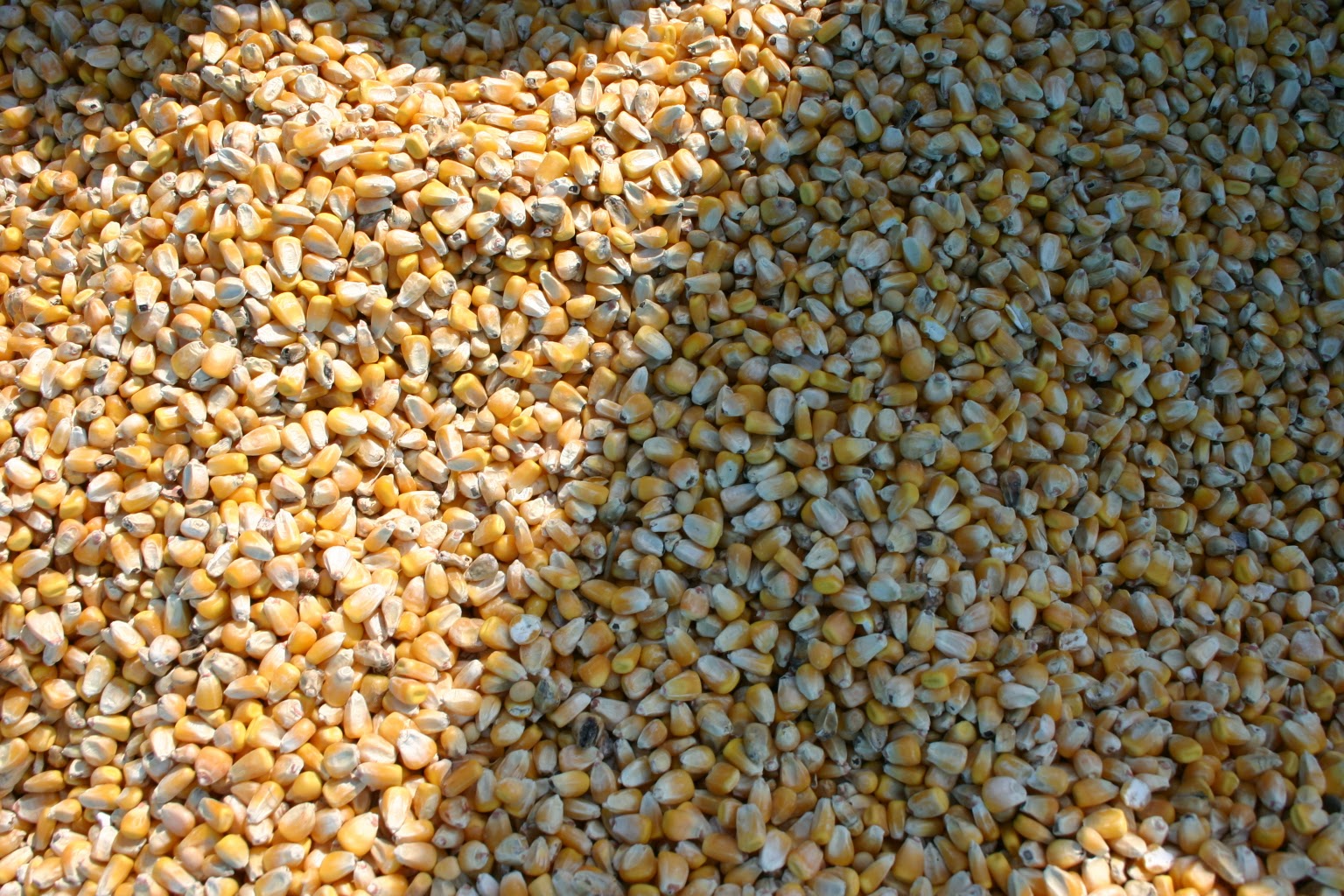
Corn

Exploring the texture of the beans (and corn) with our feet


Seeds

The straw maze was a source of fun and fright for our students!  Some of the kids could not get enough of the maze after successfully navigating the dark maze.  It was very interesting watching the kids support each other when they were afraid and encouraging each other to try the maze.  They were actively engaged in problem solving and oral language skills as they talked about their experience, shared how to get through the maze, and comforted their friends that were scared.

Tractor

Toes

Curly vines on the pumpkin

Turtle studying us!

Exit of the straw maze.
 
We had a great day!  Thank you to all of the parents who gave up their time to spend time with their kids to support their education.  As teachers we can not thank you enough for volunteering your time to help us today.  Your help with the kids, loading and unloading the lunches, tying shoes, transporting our loot for our curriculum, helping to kill bees at lunch, interacting with all of the students and helping with snack made our jobs so easy today.  We are so lucky to have such supportive and involved families.  We look forward to many more fun times together this year.  Be sure to check back soon for more pictures. 
 

Newsletter for October 21- November 1st

Because we have two short weeks coming up we have combined the next two weeks worth of Newsletters into one Newsletter.  We hope having this on the blog helps you in case you accidentally misplace your hard copy.


Wednesday, October 16, 2013

Our Apple Unit

We know how important staying involved in your child's daily learning activities are to you so here are some pictures and information about our Apple Unit.  We hope this will help spark conversation about what your child has been learning at school and how we are using the Fall Season to help our student's understand basic math, reading and writing concepts.  We also used the Apple Unit to introduce the students to many science concepts.  Using our five senses to gather data (explore) the apples is a fun and meaningful way for young children to start understanding that science is all around us and that we use science each and every day.  We hope you enjoy this peek into our school day.

We used the apples you sent in to introduce the children to the concept of estimation.  The children estimated how many seeds would be inside of an apple.  We wrote down their estimation, cut open the apple, pulled out the seeds and counted them.  We compared our estimations to the actual number of seeds we found inside the apple.  We then tried this again with another apple and found that different apples have different numbers of seeds in them.  We also talked about how the seeds, when planted, grow into new apple seeds.  (Ms. Arrendale's Class)


We used our new knowledge of color words to create these little apple color word readers.  We had to practice following multi-step directions to cut out and assemble the books.  We also had to look closely at the color words to know what color the apples had to be on each page so the illustration matched the text.  We had a lot of fun making these books and even more fun reading them! (Ms. Allen's Class).  


In each class the students practiced their listening skills by creating apple glyphs.  You should be able to tell a lot about the child by how they colored and put together their apples.  Each leaf represents the number of brothers/sisters or if they are an only child (orange leaf).  The stem lets you know what hand they write with.  The color of the worm tells you if they are a boy or a girl.  The color of the apple tells you their age.  This is a great activity that lets the children strengthen hand and finger strength/dexterity (critical for letter formation and proper pencil grip), listening to and follow directions both verbal and written (critical for speaking and listening skills in all academic and social areas), hand-eye coordination while gluing and placing objects on the paper (needed for illustrating their writing and spacial awareness) and many more objectives that are needed for building strong language skills.


We also used the  apples in each class to have a taste test.  We compared and contrasted the apples noting how they were alike and different.  We then voted on which apple we liked the most.  We graphed which apple we liked and did not like.  We then learned how to read the graph so we could figure out which apple our classroom liked the most.  We were introduced to math vocabulary such as least, most, largest, biggest, smallest, equal and same.  We were also encouraged to participate in logical reasoning by justifying why we choose the red, green or yellow apple as our favorite.  This led to lots of discussion especially when someone disagreed with our choice of favorite apple.  (Ms. De Stefano's Class)

In some of the classes we had time to experiment with our apples.  In this experiment we guessed if an apple would sink or float.  We then had to justify or explain why we though it would sink or why we thought it would float.  The moment of truth was when we placed the apple into a tub of water and found out that it would float.  The students had many great ideas on why it floated.  Don't forget to ask your child open-ended questions to learn more about how they think.  Some of their answers were amazing (such as the water weighs more than the apple so it hold the apple up).  

In each classroom we did many math experiments with our apples.  In this math experiment we measured the circumference of the apple by using a piece of paper or string and then placing the paper or string on a ruler and measuring how many inches it was around the apple.

Using technology in the classroom is a common core state standard (you may be hearing about this in the news).  We use the smart board to let the students learn how to move objects, play games, learn math and science concepts, watch nature videos (we watched a video on the life cycle of an apple) and create words.  This was a Smart-board Game on sorting apples.

This is the Apple Chart Ms. Boatright's class made after completing their math and science experiments on their apple.  You can see how many ways they measured, explored, gathered data and recorded their observations when experimenting with their apple.  It is our job in Kindergarten to expose the students to skills they will master in later grades.  Teaching them to chart their observations and refer back to the information so they can apply what they learned to future experiments is a critical foundation skills.  You will see lots of these types of charts in each classroom.  The students can now look at this chart and remember key details about their apple, new math concepts and new science concepts.  This is a skill they will need when they get older and start taking notes. (Ms. Boatright's Class)


We hope this will help to spark conversation with your student next time you ask them what they did in school and they reply that they did nothing or they can't remember.  Look for more posts showing you how and what we are learning in the weeks to come.  

Monday, October 14, 2013

Important Dates and Mysteyr Readers

The rest of this month is going to be super busy for our Kindergarten students.  Dates to remember:

  1. October 17th - Field Trip to the Pumpkin Patch, PTO Meeting and Papa John's Night

  2. October 18th- Trunk or Treat

  3. October 23 and 24- Parent/Teacher Conferences

  4. October 24, 25 and 28 NO SCHOOL FOR STUDENTS

  5. October 31 - Fall Party's start at 2:15


A special thank you to Mrs. O'Leary in Ms. Arrendale's class for coming in and reading I Am Invited To A Party by Mo Willems.  She came ready with party hats, fancy clothes, swimming floaties and everything else the book said you would need to attend the party.  A great time was had by all who got to listen to this fun book by one of the classes favorite authors and illustrators.  Thank you so much for taking your time to make reading so much fun for our student's.  They love Mystery Reader day and so do the teachers!  We get so many great ideas from you!


Friday, October 11, 2013

Using Dollar Store items to reinforce math concepts

We are working really hard on number concepts and patterning at this point of our school year.  Young learners remember concepts best when they are able to use hands-on items to make concrete connections when working with numbers.  This time of year places like Target, the dollar stores and other stores have many cheap materials you can use to make learning math fun!  The best time to get those items is when they are on clearance.  We wanted to share some pictures with you to give you an idea on how to support what they are learning at school at home.  We will really be working on patterns and how to read the patterns at school.  We encourage you to play some of the games in the pictures at home to help your child master the skill of patterning.


These are foam beads we ordered from Oriental Trading Company.  The students love to use these fall themed little beads to create patterns.  This child created an AABB pattern.  We always ask them to read their pattern (pumpkin, pumpkin, candy corn, candy corn) and then ask them to read the pattern by name (AABB,AABB).


This student created an ABC pattern using fall themed erasers found at Target last year.  We love to have these types of things donated if you happen to find them on clearance at the end of any season (Halloween, Christmas, Easter and so on).  This child read the pattern (pumpkin, ghost, cat) and then labeled it as an ABC, ABC, ABC pattern.


Another way to use the small manipulative items is to add a pair of dice, have them roll the dice and use the small items to make a one-to-one correspondence from the number on the die to the actual number of items.  If your child is ready they can add the items together and give you the total number of items in each set.  We will teach them Part/Part/Whole later in the school year (two ghosts are one part, four skulls are one part, six erasers is the whole number).  We use this technique to teach them how to construct (add) and deconstruct (subtract) numbers.  This is critical for them to understand numbers for future math concepts.


This child is practicing rolling the dice and finding the corresponding correct number of items for each die.  To challenge them you can ask them to add all of the items together to find the total (we use those word to start teaching them proper math vocabulary).  You can also ask them how many items they have "all together". 


This was a super easy game to make.  We cut out different shaped pumpkins from orange construction paper, put numbers on them from the number 0 through 20 and we use them to put number in order (cardinality), find which number is biggest (by placing two pumpkins on the ground and asking them to find the number that is largest (bigger, greater, most) or the smallest (least or less).  We added some dollar store plastic spiders so the students could practice matching the number symbol (6) or number word (six) with the correct number of spiders.  They love this game.


Another way to reinforce patterning at home?  Break out the Lego/Building Blocks and use them to create patterns.  This is an easy way to take items you may already have at home and use them to reinforce math concepts.  You could also ask your child to build something with only fifty blocks, twenty blocks, one hundred blocks and have them count them out.  The possibilities to teach with these small building blocks are endless.


The most fun item we are using right now are cheap plastic cups in fall colors.  We use them to create patterns, buildings and just to have fun creating things.  These students have mastered patterning with the cups.  They absolutely love this activity in Ms. Arrendale's class.  This is just another way you can have fun with your child at home and reinforce patterning while spending a quality time with your young mathematician.


We found these cute monsters on a learning web site and printed them out and laminated them.  We bought some cheap googly eyes at Walmart and added some dice and we created this fun math game.  You can roll one die and add that many eyes to the monster or you can roll two dice and add the numbers together, find the total and place that many eyes on the monster. 


The last thing you can use to create patterns is cereal.  We had a parent donate some apple cereal and the students loved creating patterns and then eating them!  This child created an AAB, AAB pattern (they read the pattern as green, green, orange and labeled it as an AAB pattern).


We hope these little tips give you a few new ideas on how you can continue learning at home in a fun and interactive way.  We appreciate all you do to help your young mathematician develop strong foundational skills in number concepts and patterning.  Feel free to take pictures of your mathematician practicing at home and send them to us.  They can strengthen their speaking and listening skills by sharing what they did and explaining why they did it that way.  Asking your child to justify, or explain, why they decided to create a pattern a certain way helps them to think about math and learn how to reason.  This is another critical skills that will help them excel in all academic areas.
 

Tuesday, October 8, 2013

Ms. Boatright has a SCARY Mystery Reader!

Tis the season for scary books and costumes.  This Mystery Reader in Ms. Boatright's room definitely brought in the fall season by reading Room on the Broom.  Audrey Hendee even brought in a "dragon" to help tell the story (as you will see in the pictures below).  This books is all about team work!  We love our Mystery Readers and all of the work they go to in order to make reading a special adventure.  Thank you for taking your time to come in and read for all of the kids.